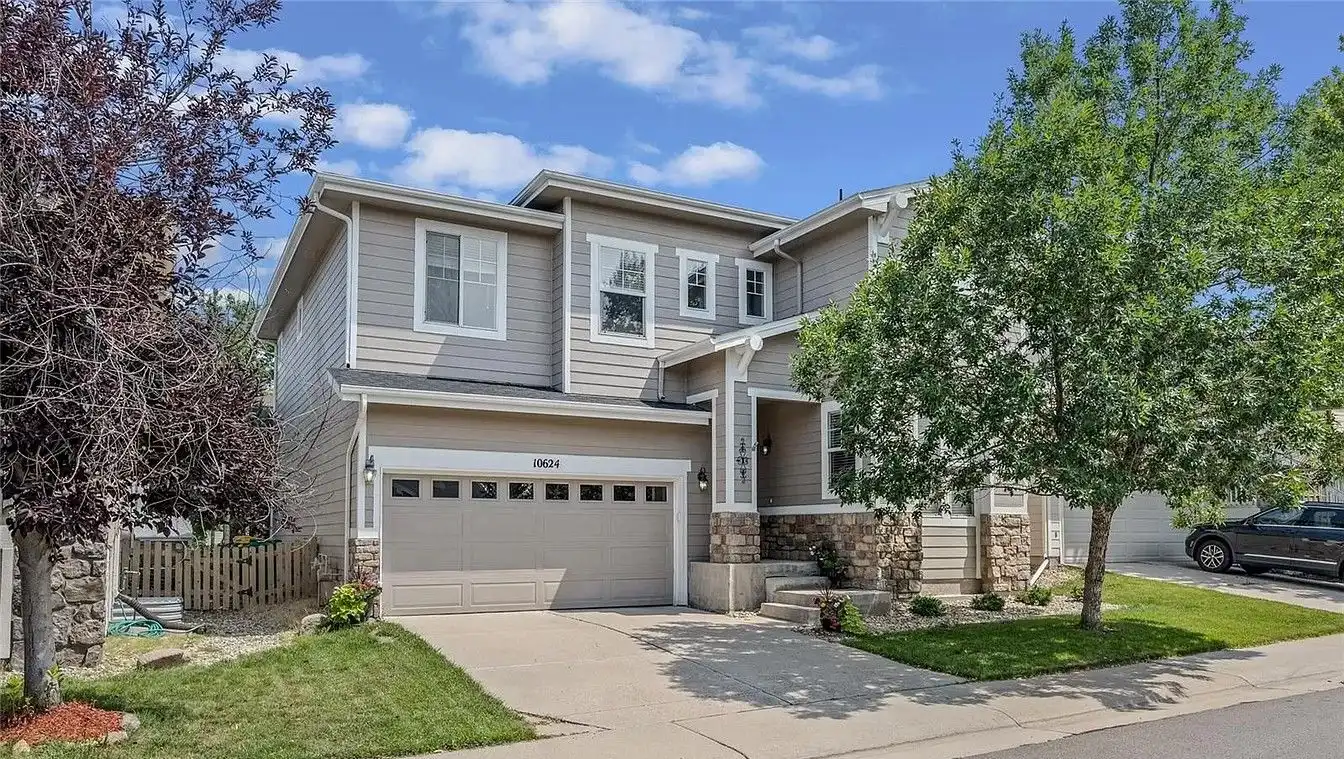
See how simple it is to exchange your property through Flock’s 721 Exchange platform—from initial consultation to fund ownership. Understand each step, what to expect, and how we handle the details for you.


Real Estate Exchanges: The 1031 Exchange Vs. 721 Exchange: Everything You Need to Know

A 1031 exchange lets you trade one investment property for another to defer capital gains tax, while a 721 exchange lets you contribute your property to a partnership in return for ownership units, so you defer the tax without buying a replacement property.
1031 and 721 exchanges are both excellent real estate investment exchange mechanisms, but they have slight nuances that make big differences in your portfolio.
Want to defer capital gains without managing another real estate property? A 721 exchange might be your best option.
Looking to swap a piece of land for a single-family property you can rent? A 1031 exchange could be your best bet.
Below, we'll break down everything you need to know about 1031 exchanges and 721 exchanges to make the best investment decisions for you:
What's a 1031 Exchange?
If you're a real estate investor, you've probably heard of a 1031. A 1031 exchange lets you trade one investment property for another while deferring capital gains tax. According to the Internal Revenue Code (IRC) Section 1031, you must find a "like-kind" replacement asset for it to qualify for a 1031 exchange.
A 1031 exchange allows you to continue growing your real estate investment without having to pay expensive taxes. However, note that this exchange isn't tax-free. It's tax-deferred. You'll eventually have to pay taxes when you sell your replacement property. If you hold the property until you pass away, your heirs generally receive a step-up in basis, which wipes out the deferred gain for them.
The definition of "like-kind" by the IRS is a bit more inclusive than it appears. You could trade a single-family property for units in an apartment building, raw land for a multi-family property, or even shares in specific funds.
The downside: 1031 exchanges can be complex. You have to find the right like-kind property with the right value to avoid capital gains tax, and you have to nail the rigid time frames. You only have 45 days from the sale of your property to identify a replacement property (you must describe the specific property in detail and provide a written signature), and you must close within 180 days to qualify for a 1031 exchange.
What's a 721 Exchange?
A 721 exchange is a mechanism long used by institutional investors, but many individual investors haven't heard of it. Instead of swapping your property for another real estate asset, you exchange it for units in a fund or partnership. Your units often earn you a steady income and upside potential, and you transition from being an active investor to a passive one. With a 721 exchange, you can ditch the hassles of traditional property ownership and management (tenants, maintenance, rent collection, and the like).
Like a 1031 exchange, your 721 exchange doesn't trigger a taxable event. You won't have to pay taxes on your exchange until you redeem your units. You could do this all at once or spread it out over time during more favorable conditions, like when your tax bracket is lower.
A 721 exchange also gets you units in a diversified portfolio. Instead of owning a single piece of real estate, you now own an interest in a portfolio that includes different property types and geographic locations. This protects your investment from unpredictable market changes.
What Are the Key Differences Between a 1031 Exchange and a 721 Exchange?
Not sure which is right for you? Here are a few of the key differences to consider:
- Ownership: When you trade your property in a 721 exchange, you don't own that real estate anymore. You own units in a trust or partnership that has 100% control over the property. You don't get to decide who lives there or the rent price. When you 1031 exchange property, you're in full control over all the decision-making. You're the absolute, direct owner.
- Responsibility: With ownership comes responsibility. If you can't find tenants for your property, you'll eat the vacancy costs. If a repair needs to be made, it's coming out of your wallet. When you transfer your property with a 721 exchange, you no longer have to worry about the burdens of maintenance and management like you do if you use a 1031 exchange and remain the active owner.
- Liquidity: A replacement investment property isn't very liquid. Units in a trust are generally more liquid after a minimum hold period. If you want the freedom to liquidate your assets with little effort, units in a trust are the better option.
- Diversification: A 1031 exchange can help diversify your portfolio if you already own other real estate types. A 721 exchange, however, offers even more diversification by giving you instant access to an extensive portfolio of different property types and locations.
- Income: Owning your own investment property can net you regular rental income, but so can cash flow from your portfolio units. Either way, you'll likely make monthly or quarterly income from your investment. However, with a 721 exchange, you'll begin earning passive income. Rain or shine, work or vacation, you'll receive cash flow. The same isn't true when you are responsible for a property investment.
Not every property qualifies for a 721 exchange, but they all can be used in a 1031 exchange. When a 721 exchange isn't an option, the owner can 1031 equity into a Delaware Statutory Trust (DST), which does qualify as a "like-kind" asset. Then, after a minimum of two years, if the DST sponsor allows it, you can use a 721 exchange to swap the DST interest for units in a real estate investment portfolio.
How Do I Choose Between a 1031 and a 721 Exchange?
1031 and 721 exchanges both help with tax deferral, but they will lead you down two very different paths. Neither is necessarily better than the other. You just need to have a good idea of which path you'd like to take before making a decision.
Sometimes, owners can use a 1031 exchange and 721 exchange together to get the final investment they want.
Two related reads: the deadlines for a 1031 exchange and how a DST 1031 exchange works. You can also see how a 721 exchange works with Flock Homes.
For the full rules on each, see our pages on the 1031 exchange and the 721 exchange.
Not sure which option is right for you? Don't worry. We can help.
Flock Homes specializes in 721 exchanges. Give us a call at (720) 703-9992, and we can help talk you through your options. Or submit your rental address for a free estimate and see what a 721 exchange could look like for you.