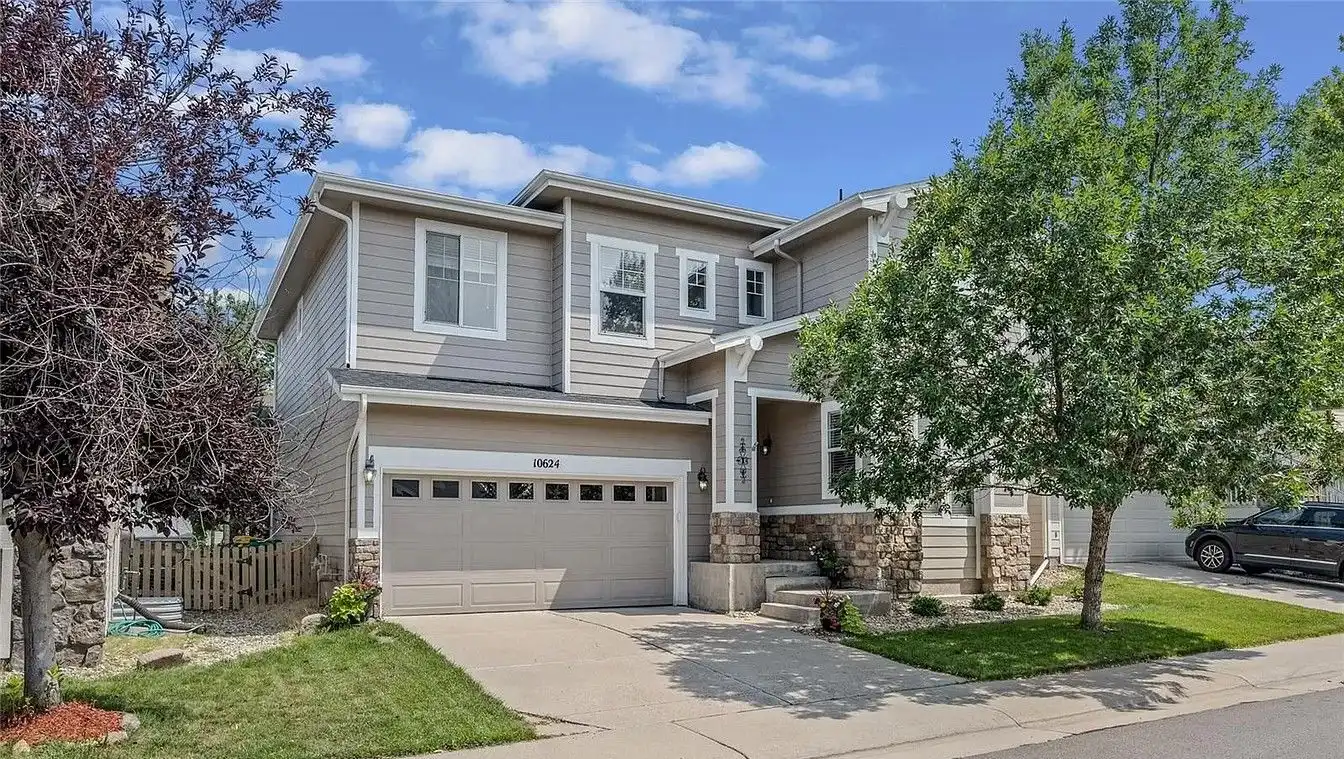
See how simple it is to exchange your property through Flock’s 721 Exchange platform—from initial consultation to fund ownership. Understand each step, what to expect, and how we handle the details for you.


Can You 1031 Exchange Into a REIT?

No, not directly, because REIT shares aren't like-kind real property, but there are two other ways to get a similar result.
We hear this question a lot. You've been a landlord for years, you're tired of the calls and the repairs, and a REIT sounds like the simple, hands-off answer. That's a good instinct, but the tax rules don't let you get there in one step.
Why can't I 1031 into a REIT directly?
A 1031 exchange only works when you swap real property for other real property of like kind. A share of a REIT is a security: a slice of a company that owns real estate, not the real estate itself. The IRS treats those as different things.
So if you sell your rental, hand the money to a qualified intermediary, and try to buy REIT shares with it, the exchange fails. Your capital gains and depreciation recapture come due for that tax year.
What are the two-step paths into a REIT?
The most common route goes through a Delaware Statutory Trust (DST).
- Sell your rental and use a 1031 exchange to buy into a DST, a passive way to own a fractional share of larger properties that counts as like-kind real estate.
- Later, the DST sponsor may arrange for the DST's properties to be contributed to the operating partnership of a REIT, under Section 721. You receive operating partnership units instead of your DST interest, still tax-deferred. This setup is called an UPREIT.
The catch is that step two isn't up to you. It depends on the sponsor, and it may never happen. DSTs usually have fixed hold periods and limited liquidity, so your money can sit for years. You're also still on the 1031 deadlines, with 45 days to identify a replacement and 180 days to close. Our guide to DST 1031 exchanges covers the basics.
Is there a way to skip the 1031 entirely?
Yes. A direct 721 contribution skips both the sale and the 1031.
Section 721 was enacted in 1954 as part of the Internal Revenue Code, the same code that contains Section 1031, and institutional investors have used it for decades. Instead of selling your property, you contribute it to an operating partnership and receive partnership units in return.
That's how a 721 exchange with Flock Homes works. Flock Homes is the General Partner of Flock's Fund (Flock Homes OP LP). You contribute your rental, title transfers to the Fund, and you receive equity in the Fund. Because the property is contributed and not sold, there's no qualified intermediary and no 45-day or 180-day clock.
How do the options compare?
1031 into a DST, then a possible UPREIT. It's familiar, widely used, and you can pick from many sponsors. But the REIT step isn't guaranteed, you're locked in for the DST hold period, and you pay a round of closing costs along the way.
Direct 721 into Flock's Fund. It's one step with no deadlines. Flock Homes pays off your existing mortgage at close, and your equity is tied to what remains. The trade-offs are real too. There's a one-time 6% onboarding fee, deducted from the equity you receive, and a 1.5% annual management fee paid from the Fund's net operating income. Flock Homes doesn't charge a performance fee. After a minimum hold period, you can redeem your equity for cash, all at once or over several years, and redemption can be taxable.
Flock's Fund is a partnership, not a REIT. That means owners can benefit from pass-through tax treatment, like depreciation reported on your K-1. Properties that meet Flock's return requirements are accepted, and those with mortgage balances under about 30% of value are more likely to qualify. See our FAQ for how this compares with selling and buying REIT shares.
What should I do next?
Talk to a tax advisor before you pick a path, since the right answer depends on your gain, your mortgage, and how soon you might need cash. Federal long-term capital gains rates run 0%, 15% or 20%, depreciation recapture can be taxed up to 25%, and higher earners may owe the 3.8% net investment income tax, plus state tax. To see how those numbers might look for your own rentals, try the capital gains calculator.
If you're curious what a direct 721 could look like for your rentals, submit your rental address for a free valuation. It's free and there's no obligation.