Compound your equity and your time.
Exchange your rental homes for shares in a Fund to defer taxes and step back from management.
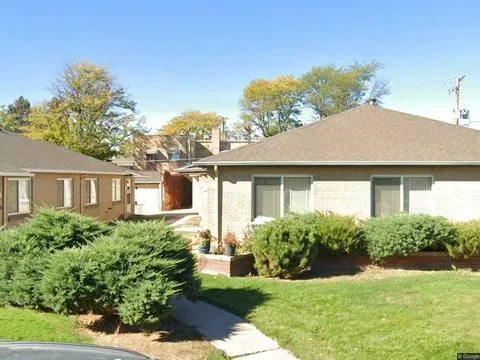
 JoshA Denver duplex, 2 units in the Fund“Peace of mind.”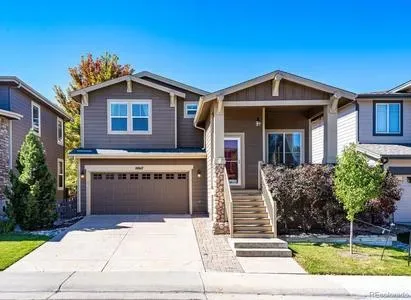
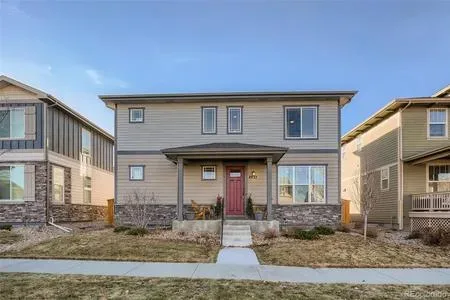
 Steve8 homes across three states“I could split it between my daughters.”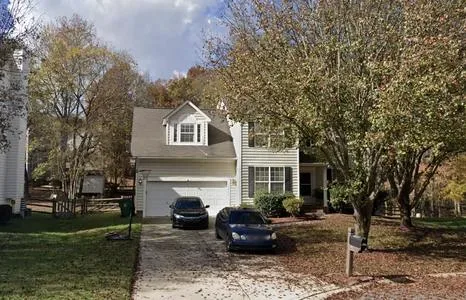
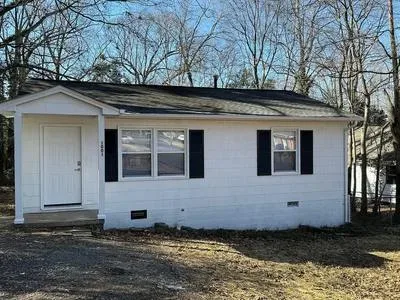
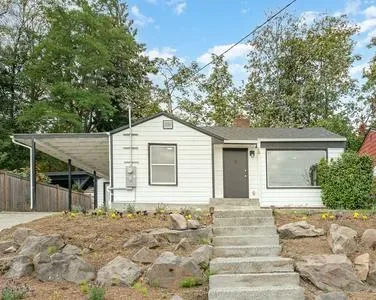
 Jack & VickiA Seattle duplex, after 30+ years as landlords“Getting a quarterly return is nice.”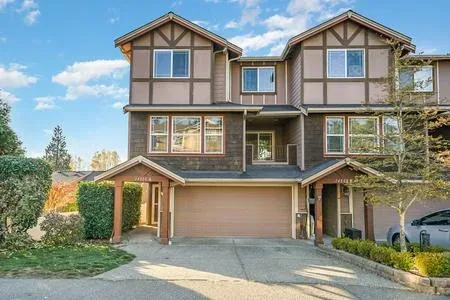
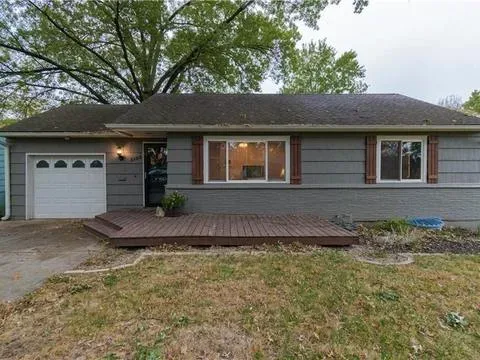
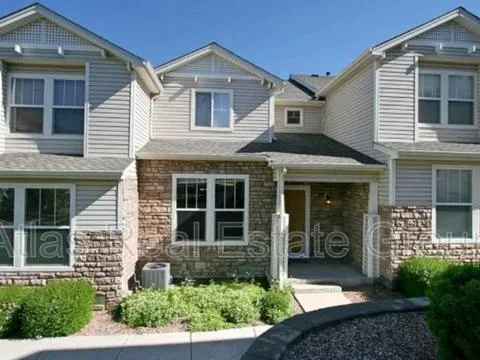
 KevinA Houston townhouse, 1 unit“The biggest thing for me was to keep the investment without being a landlord anymore.”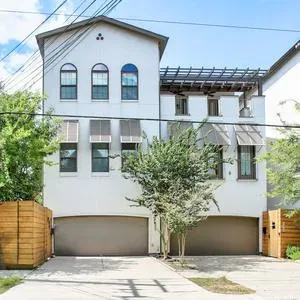
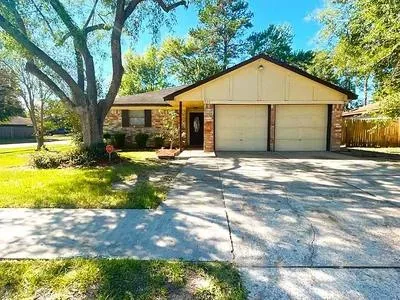
 John & ReginaA Colorado Springs fourplex, 4 units“Getting rid of the 5pm Friday night calls was appealing.”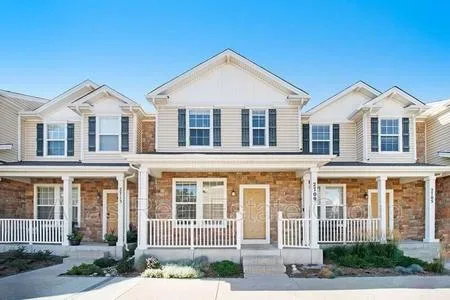
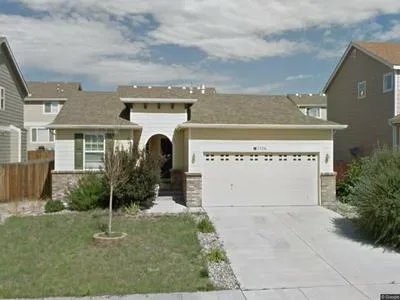
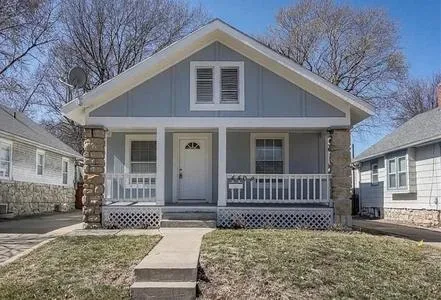
 Stan16 units across Kansas City and Boulder“I had been in the business a long time and I wanted to retire.”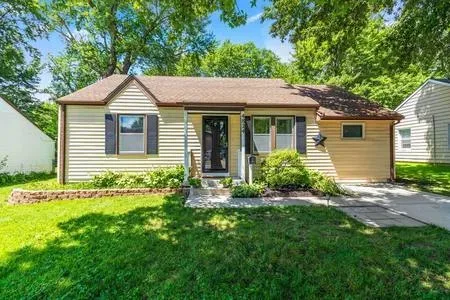




Investing in American housing for the long-term has paid off.
Including appreciation and rental income, US homes have returned an average of nearly 9% a year for more than a century,1 and real estate comes with favorable tax treatment.
This chart shows price appreciation only: US home prices, nominal, indexed to 1890 = 100, log scale, up about 3.4% a year compounded. It does not include the rental income in the return figure above. Sources: Robert J. Shiller, Irrational Exuberance home price index, December values, 1890–1986; S&P Cotality Case-Shiller U.S. National Home Price Index (not seasonally adjusted), December values, 1987–2025, and July 2026. Series joined at 1987.
1 Average annual nominal total return on US housing, 1891–2015: about 3.5% from price appreciation plus 5.3% from rental income (arithmetic mean of annual returns). Jordà, Knoll, Kuvshinov, Schularick and Taylor, “The Rate of Return on Everything, 1870–2015,” Quarterly Journal of Economics (2019), Table 7, USA.


Dollar for dollar. Keep all your hard-earned equity.
Instead of selling, you contribute your rental homes to a professionally managed portfolio and receive shares in the partnership that owns it. That’s a 721 exchange. Your homes come in at what they’re actually worth, not a discounted offer, so your equity transfers dollar for dollar. And because nothing is sold, nothing is taxed at the time of exchange.
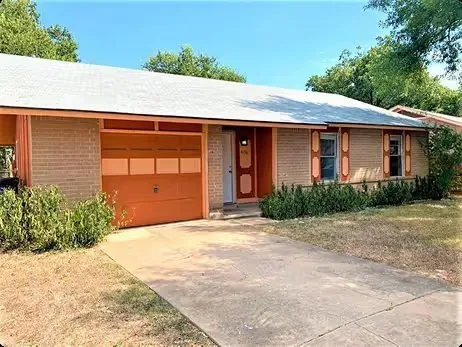
Your rental homes
Income, appreciation and depreciation from your homes.
Title transfers.
No tax at exchange.
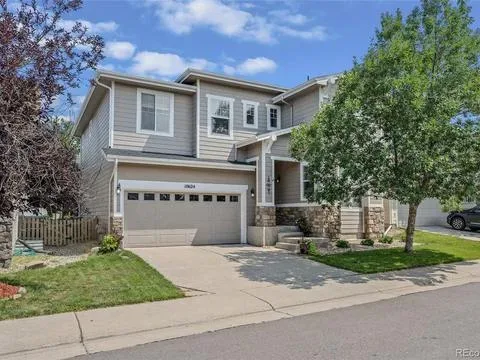
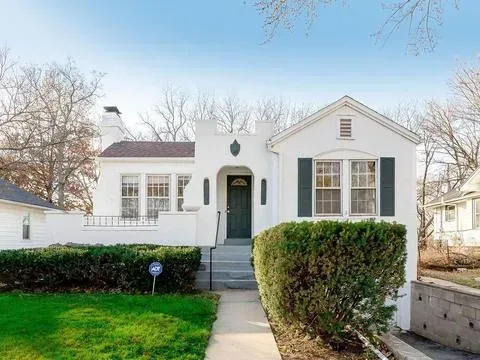
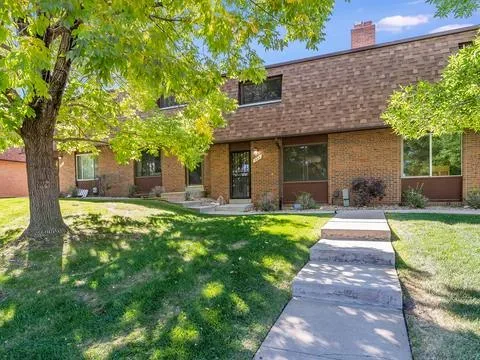
Shares in the partnership
Income, appreciation and depreciation from the whole portfolio.
You still own real estate. Now it’s through a partnership.
You did the hard part: buying well, holding through the cycles, keeping the properties in good condition, looking after your residents. Now the partnership carries the work, and you keep the income and the upside.
Quarterly cash flow. Shares that can appreciate.
Rent from the whole portfolio, every quarter, plus any appreciation on your shares.
Illustrative. Distributions vary with account value and are not guaranteed.
No more landlord duties
The day we close, every job on your list becomes ours.
- Vacant homeLeasing
- Broken sinkMaintenance and repairs
- Tenant moving outUnit turns
- Property tax billTax administration
- Bill from the HOAHOA dues
- The 2 a.m. call24/7 resident support
What is the Flock partnership?
One Fund of single family and multifamily rentals across 17 states, run conservatively to deliver reliable performance and peace of mind.
1,864
$362.4M
33%
255




The usual exits force you to choose between paying the tax or keeping the headaches
Sell and lose a third of what you built. Hold and keep managing. A 1031 or DST allows you to defer, but adds deadlines, fees, and complexity. Flock Homes offers another way.
You’ve done the hard part. Let us take it from here.
See how the exchange would work for homes like yours, starting with a real valuation. It is free, and there is no obligation.
Questions owners ask before they exchange.
Still have questions? Call (720) 703-9992 or chat with us.

No. Nothing is sold, so no gain is recognized at exchange.
Usually 4–8 years, set by your homes’ income. You get cash every quarter from day one.
A one-time 6% onboarding fee from your equity, then 1.5% of NAV a year. No performance fee.
They stay, and their leases continue. We take over the calls.
Shares that are easy to divide, with a step-up in basis.