Unlock your clients’ real estate equity.
Offer a seamless, tax-deferred exit for clients with rental properties through a real estate exit platform that uses the 721 Exchange to help you manage their whole portfolio.
The Largest Asset You Are Not Yet Managing
Millions of retiring real estate investors are looking for a smart way to exit their rental properties. This is a significant tax and wealth management challenge—and a major opportunity for you. With Flock Homes, you can solve one of your clients' largest problems, bring their largest held-away asset into your AUM, and differentiate your practice with a sophisticated, tax-efficient solution.
Unlock Held-Away Assets
Provide Holistic Advice
Differentiate Your Practice
A Seamless Partnership
The Advisor's Guide to the 721 Exchange.
We believe in full transparency for our advisor partners. Here's how the 721 exchange works — and why advisors are using it to help clients exit rental properties while deferring taxes.
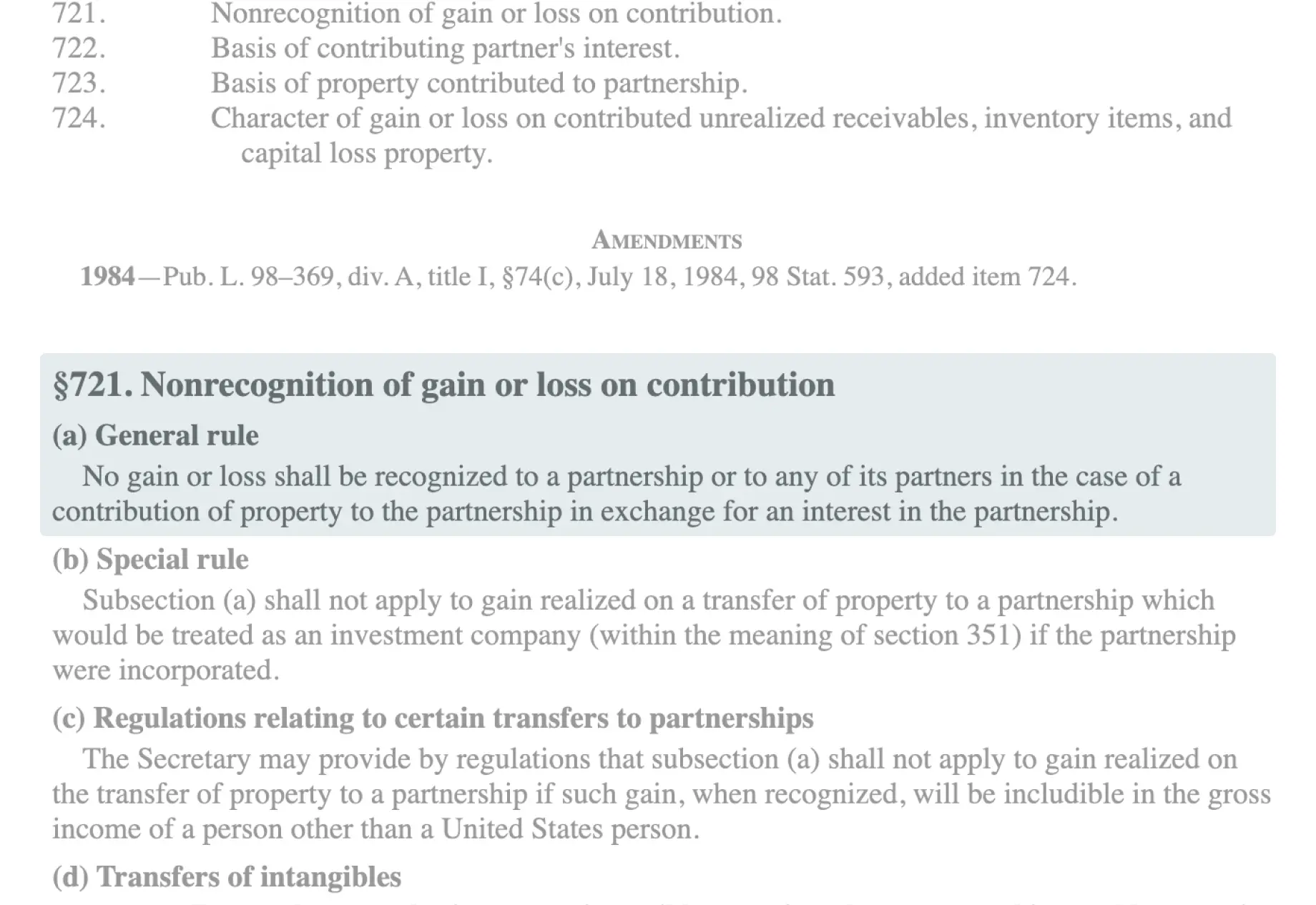
Under Section 721(a) of the Internal Revenue Code, no gain or loss is recognized when property is contributed to a partnership in exchange for a partnership interest. This is the legal foundation of Flock's 721 exchange.
How a 721 Exchange Compares to a 1031 or DST
|
Flock 721 Exchange
|
1031 Exchange

|
Selling Outright
| |
|---|---|---|---|
|
Hassle Free Ownership
|

|
(strict 45/180 days, replacement needed, active landlord)

|

|
|
Professional Management
|
|
|
|
|
Diversification
|
1,000+ units
|
1-5 properties
|
|
|
Fees
|
Transparent & aligned
|
High commissions
|
Brokerage fees
|
|
Future 1031 Option
|
|
|
|
|
Flock 721 Exchange
| |
|---|---|
| Hassle Free Ownership |
|
| Professional Management |
|
| Diversification | 1,000+ units |
| Fees | Transparent & aligned |
| Future 1031 Option |
|
|
1031 Exchange
| |
|---|---|
| Hassle Free Ownership |
(strict 45/180 days, replacement needed, active landlord)
|
| Professional Management |
|
| Diversification | 1-5 properties |
| Fees | High commissions |
| Future 1031 Option |
|
|
Selling Outright
| |
|---|---|
| Hassle Free Ownership |
|
| Professional Management |
|
| Diversification |
|
| Fees | Brokerage fees |
| Future 1031 Option |
|
Building Long-Term Value from U.S. Housing
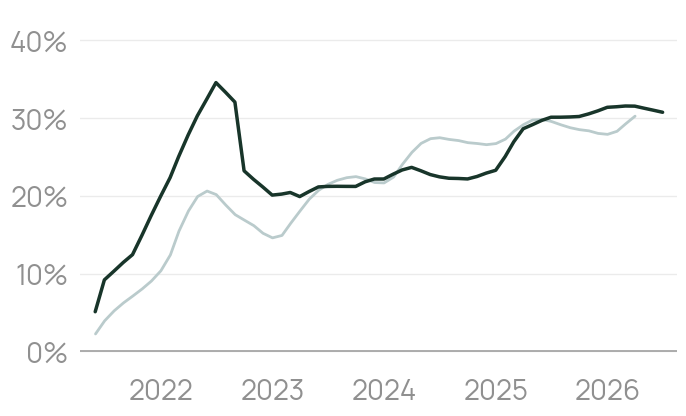
Our objective is simple: deliver a steady total return that tracks the broader U.S. national housing market. By combining appreciation in property values, consistent rental income, and conservative leverage, Flock seeks to deliver stable, compounding returns over time.
$363.7M
real estate value
1,865
units in portfolio
33%
loan-to-value
8-10%
target annualized return



From Property to Portfolio, Simplified.
Intro & Valuation
You identify a client, we provide a complimentary property valuation.

Diligence & Review
We provide full access to fund financials and legal documents for your review.

Seamless execution. Institutional access. Built for advisors.
Effortless Exchange
Our team handles the entire 721 Exchange process from start to finish.

Ongoing Partnership
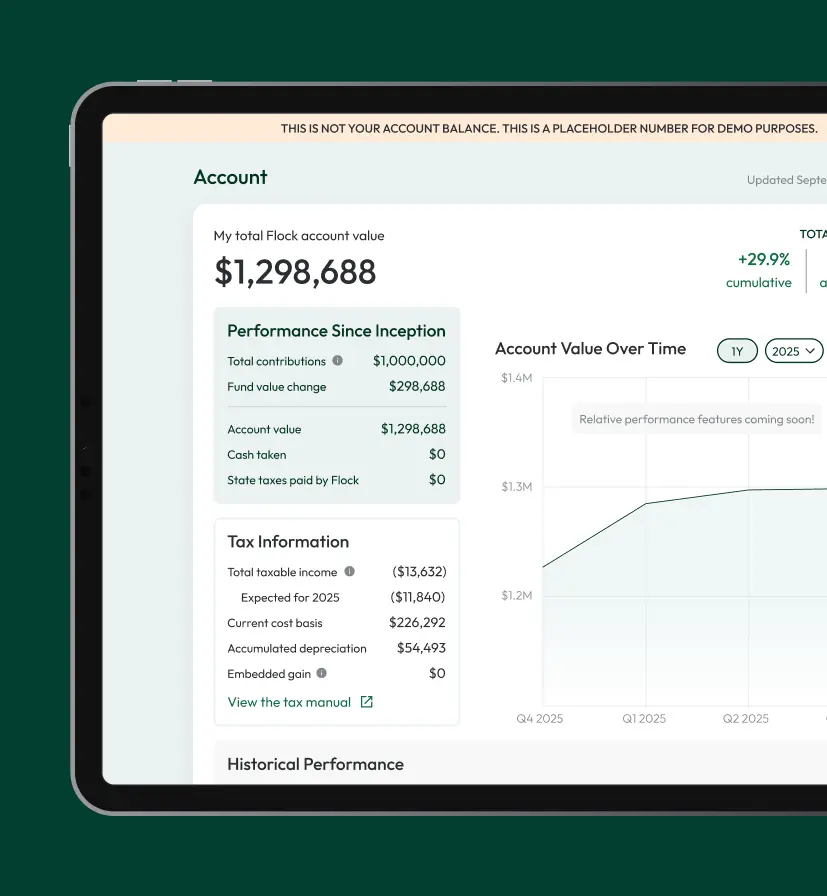
Your client receives passive income and appreciation; you get transparent reporting to manage the asset.





Want to Learn More?

FAQ

Founded in 2020, Flock Homes is a real estate company and Fund operator empowering landlords to exit from their rental properties through the 721 exchange. Through Flock Homes, real estate investors can use the 721 exchange to exchange their single-family and multifamily rental properties for ownership in Flock's Fund without triggering capital gains taxes. While in Flock's Fund, investors benefit from continued access to steady cash flow and residential real estate appreciation, without any responsibilities of managing rental properties.
Many real estate investors utilize the 1031 exchange to sell their property for proceeds, and use those proceeds, tax-deferred, to purchase other investment real estate. With Flock Homes, investors can use the 721 exchange to seamlessly exchange their properties, tax-deferred, for direct ownership in Flock's managed real estate Fund. With a 1031 exchange, investors commonly continue to be active investors and operators of real estate properties. With Flock, the 721 exchange enables investors to take a long-term, passive approach to real estate investing.
A DST is typically a 1031 replacement solution tied to a specific asset, strict timelines, and limited flexibility. It often concentrates risk in a single property and follows a defined sponsor exit timeline. A 721 exchange allows clients to transfer property into a diversified, professionally managed fund without 1031 identification pressure. Instead of solving a transaction deadline, it provides a long-term portfolio transition — moving clients from active landlord exposure into institutional management with broader diversification.
For advisors, it’s generally a more strategic planning tool rather than a transaction-driven solution.
A direct sale triggers capital gains and depreciation recapture, reducing investable capital. A 721 exchange defers those taxes while preserving full equity inside real estate. Clients maintain exposure to income-producing assets while transitioning from active management to passive ownership.
For advisors focused on tax efficiency, concentration management, and long-term compounding, the 721 structure often provides a more capital-efficient outcome than a taxable exit.
Clients typically receive a Schedule K-1 and participate in partnership-level allocations, similar to other private real estate funds. Your exchanged equity is non-taxable, allowing advisors to reposition concentrated real estate exposure without triggering immediate gain recognition.
Section 721 of the Internal Revenue Code has long permitted the tax-deferred contribution of property to a partnership in exchange for partnership interests. It has been part of federal tax law for decades and is the statutory foundation behind UPREIT structures used by public REITs and institutional real estate platforms since the 1990s.
For financial advisors, this is not a novel or untested strategy — it is a well-established provision of the tax code that has been widely used in institutional real estate roll-ups and recapitalizations for many years. Practically, that means 721 can serve as a powerful unlock: it allows you to reposition highly appreciated, concentrated real estate without triggering immediate capital gains, creating flexibility for portfolio construction, risk management, and long-term planning — all within an established and time-tested legal framework.